Tags:
Why Travel Pillow Hygiene Matters More Than You Think
When we think about travel hygiene, most people focus on things like hand sanitiser, airplane trays, or hotel bathrooms.
But one surface we rarely think about is the one our face touches for eight hours every night.
The pillow.
While hotels follow cleaning standards, pillows and bedding are used by many different guests over time, and the sleep surface you encounter while travelling may be very different from the one you use at home.
For people concerned about skin health, allergies, hair care, or overall sleep comfort, the pillow environment can play a role in how restful - or irritating - a night of travel sleep becomes.
What Happens to Your Skin While You Sleep
During sleep, the body moves into repair mode.
Your skin:
- releases oils
- sheds dead cells
- absorbs skincare products
- remains pressed into fabric for long periods
Because the face stays in contact with the pillow for hours, the fabric surface can influence things like:
- friction against the skin
- moisture retention
- surface cleanliness
This is why dermatologists often emphasise clean pillowcases and suitable fabrics as part of a healthy nighttime routine.
Why Hotel Pillows Can Be a Problem for Travellers
At home, you control your bedding.
You choose the pillowcase.
You wash it regularly.
You know exactly what touches your face.
When travelling, those variables change.
Hotel pillows may be:
- exposed to different detergents
- used by many guests
- handled by housekeeping between stays
Even with proper laundering, frequent travellers sometimes notice skin irritation, hair frizz, or discomfort after hotel stays.
Often the difference is simply the sleep surface.
Why Fabric Matters: Cotton vs Silk
The fabric touching your face overnight can influence comfort and friction.
Cotton
Cotton pillowcases are common because they are durable and affordable.
However, cotton fibres are absorbent and textured, which means they can:
- absorb moisture from skin and hair
- create more friction during movement
Silk
Silk fibres are naturally smoother.
Because of this smoother structure, silk typically produces less friction against skin and hair compared with cotton fabrics.
This is why silk pillowcases are frequently recommended by dermatologists and hair professionals.
Many people choose silk to help:
- reduce sleep creasing
- minimise hair breakage
- support skin hydration
The Smart Traveller’s Sleep Ritual
Frequent travellers often develop small rituals that help recreate a consistent sleep environment.
One of the simplest solutions is bringing your own pillow barrier.
This approach allows you to:
- maintain a familiar sleep surface
- reduce friction against skin and hair
- avoid relying on unknown hotel fabrics
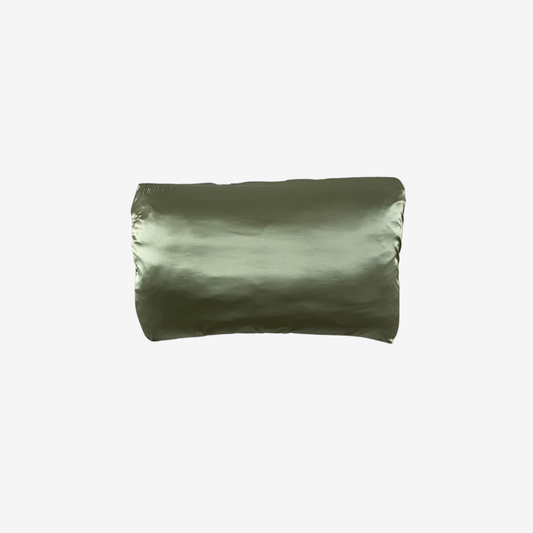
This is the thinking behind the LATRAVLA PillowWrap, designed to fit over hotel pillows and create a consistent silk sleep surface while travelling.
👉 Explore the PillowWrap travel sleep solution here