How to Protect Your Skin While Travelling
Friction, detergent residue, fabric bacteria, airflow.
Travelling reshapes our senses - the new light, the new air, the new cadence of days. But while we lean into discovery, our skin often pays the price. Long-haul flights, hotel linens washed in harsh commercial detergents, recycled cabin air, and unfamiliar fabrics can disrupt the skin barrier within a single night. The modern traveller knows this: the greatest luxury isn’t the suite upgrade, but waking up with calm, comfortable, unbothered skin in any destination.
Here’s how to protect yours - scientifically, stylishly, and with the same considered intention you bring to every journey.
01. Understand the Friction Factor
Even the softest hotel pillows can create micro-friction against the skin. This repeated rubbing can inflame sensitive areas, trigger breakouts along the cheeks and jawline, and disrupt the skin’s natural overnight repair cycle. Cotton - the global default in accommodation - pulls moisture from the skin, leaving it tight by morning.
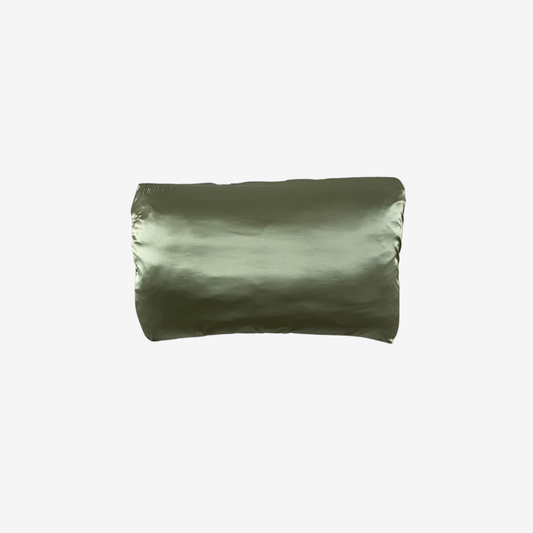
Switching to a friction-minimising surface is the simplest way to support your barrier. A 22-momme mulberry silk PillowWrap (especially one engineered to fit any pillow) allows the face to glide, not drag, preserving hydration and reducing irritation. It’s the kind of small, clever luxury that changes everything.
02. The Silent Problem: Detergent Residue
Hotel and Airbnb linens are often cleaned with strong industrial detergents designed for speed, not sensitivity. Those residues remain in the fibres, sitting directly against your cheeks for 6–8 hours. For many travellers, this is the hidden trigger behind sudden congestion, redness, and dermatitis flare-ups abroad.
Barrier-conscious travellers bring their own sleep surface - something OEKO-TEX® certified, free from harsh dyes, and safe for reactive skin. Think of it as packing your cleanser or SPF: essential, not optional.
03. Fabric Bacteria & The Hidden Hygiene Gap
Pillowcases are rarely changed between every guest unless you’re in a luxury hotel with dedicated linen protocols. Even then, bacteria can survive laundering and linger in the fibres, especially when the fabric holds moisture.
Silver-infused textiles, such as SILVADUR®-treated mulberry silk, add an elegant layer of protection. Silver nanoparticles inhibit the growth of unwanted bacteria in the fabric itself, keeping your sleep surface fresher for longer - a quiet but powerful safeguard for frequent flyers, acne-prone skin, and anyone navigating unfamiliar environments.
04. Airflow: The Often-Forgotten Beauty Essential
Air circulation significantly affects both sleep and skin. Stale hotel rooms and recirculated cabin air reduce oxygen exposure and increase transepidermal water loss. The result? Dullness, dehydration, and that unmistakable “travel face.”
Create your own airflow ecosystem: keep curtains slightly open for natural ventilation, avoid blasting air-conditioning overnight, and sleep on breathable fibres that don’t trap heat. Mulberry silk naturally regulates temperature, reducing puffiness and supporting a deeper, more restorative rest.
Travel is an act of expansion - your skin shouldn’t contract because of it.
Protecting your skin while travelling isn’t about vanity; it’s about giving your body the conditions it needs to repair, restore, and show up beautifully for the life you’re exploring. A clean sleep surface, reduced friction, antimicrobial protection, and considered airflow transform not only how you look the next day, but how you feel.
For the traveller who values wellness as much as wonder, these aren’t indulgences - they’re the rituals that make every journey feel like home.