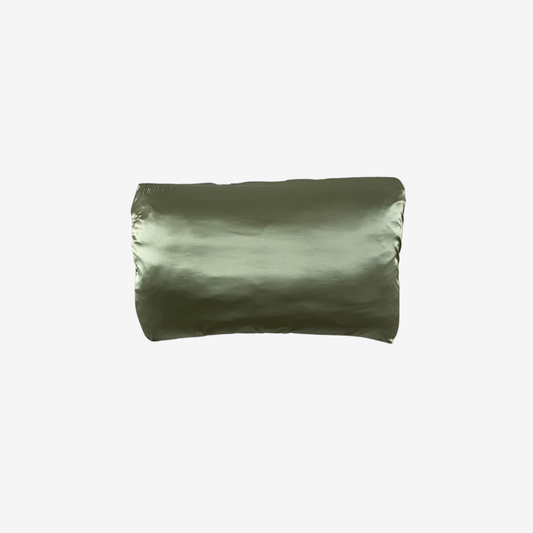
How unfamiliar rooms, shifting environments, and nervous system changes impact rest - and how to sleep more deeply anywhere in the world.
Travel is invigorating. It opens your world, your senses, and your imagination - but it also opens a loop in your nervous system. New places activate vigilance, curiosity, stimulation, and subtle stress responses. And the moment you leave your own bed, your sleep must renegotiate its sense of safety.
This guide blends travel psychology, sleep physiology, and simple rituals that support deep, restorative rest while you’re away from home.
1. The “First Night Effect”: Your Brain Sleeps Differently
When you sleep in a new environment, your brain behaves as though it’s on alert. Researchers call this the First Night Effect (FNE) - a survival-driven response where one hemisphere of the brain stays hyper-vigilant.
The results:
-
lighter, fragmented sleep
-
more tossing
-
reduced deep sleep
-
increased micro-arousals
-
feeling “wired but tired”
Dermatology Note:
Poor sleep directly impacts your skin’s overnight repair cycle. Dermatologists often explain that even one disrupted night can lead to dullness, inflammation, and decreased barrier repair efficiency.
2. Hotel Rooms Are Not Designed for Rest
Even the most beautiful hotels have unpredictable sleep environments:
-
harsh overhead lighting
-
HVAC noise
-
fluctuating room temperatures
-
synthetic fibres or mixed linen blends
-
detergents heavy in fragrance
-
firmness levels you don’t know until you lie down
-
unfamiliar sounds from hallways or neighbouring rooms
Your senses absorb all of it - especially your skin and nervous system.
Travel Wellness Insight:
Think of sleep as a sensory ritual, not a location. You need familiarity, not luxury, to sleep well.
3. The Pillow Problem: Detergents, Residues & Allergen Load
In hotels and short-stay rentals, pillowcases are washed in industrial-strength detergents - often containing:
-
brighteners
-
fragrances
-
preservatives
-
fabric softeners
-
enzymes
-
high-irritant surfactants
These residues stay in fibres even after multiple washes.
Why this disrupts sleep:
-
nasal irritation
-
inflamed sinuses
-
eye redness
-
itchy skin
-
congestion
-
low-level allergic response → lighter sleep
Australian dermatologists routinely treat patients sensitive to fragranced hotel detergents, explaining that “bedding is one of the most common but overlooked triggers of irritation and contact dermatitis while travelling.”
Solution:
Replace the pillow surface. A silk-based barrier eliminates direct exposure to irritants.
4. Light Pollution Impacts Sleep Architecture
Hotels are full of sleep saboteurs:
-
LED clocks
-
hallway glow under the door
-
charging indicators
-
bathroom night lights
-
street light spill
- Even tiny light exposure can reduce melatonin levels.
Best solution:
Block all ambient light with a PillowMask.
5. Temperature dysregulation
Ideal sleep temperature: 18–20°C
Most hotels set the thermostat around 22–24°C.
Overheating:
-
reduces deep sleep
-
increases sweating
-
irritates the skin barrier
-
heightens cortisol
Travel trick: Set the temperature lower than you think you need - your core temperature must drop to initiate deep rest.
6. Skin Barrier Stress = Nervous System Stress
Your skin and nervous system communicate constantly.
When your skin is irritated by:
-
friction
-
detergents
-
bacteria
-
synthetic fibres
your nervous system becomes more alert - making sleep shallower.
Why silk helps:
-
low-friction
-
hypoallergenic
-
breathable
-
moisture-balancing
-
gentle for acne-prone or sensitive skin
A silk surface works with your physiology, not against it.
7. The Ritual That Grounds Your Body
Travel always disrupts sleep - but ritual anchors you.
The LATRAVLA Clean Sleep Anywhere™ Ritual helps you adapt calmly and quickly:
Arrival Reset
- Open windows, dim lights, quiet the room.
-
Wrap the Pillow
- Replace unknown fibres with silk and silver technology.
-
Hydrate + Skincare
- Support the barrier before bed.
-
Lights Out, Mask On
- Block all artificial light.
-
Morning Reset
- Air your wrap, hydrate, stretch, reset your body for the day.
This creates the psychological equivalent of “coming home” - even in a hotel.
Travel shifts your world, but sleep is how your world integrates the journey.
With the right ritual, the right surface, and the right environment cues, deep rest becomes portable - and your skin, immune system, and mood all follow.